无人行车与 AGV 进耐材车间的时机|When Overhead Cranes and AGVs Belong in a Refractory Shop

摘要:行车自动化和 AGV 不是越小越先进,而是看搬运场景的重复度。讲三种值得上的场景、两种不值得的场景,以及地面与调度的基础改造。
Abstract: Automated cranes and AGVs are not about sophistication but repetition. Three scenarios that pay, two that do not, and the floor and dispatching groundwork they require.
正文: 耐材车间搬运量大:原料、生坯、制品、废料,四类物流每天跑几十趟。人工开行车和叉车的成本看着不高,累积一年就是两三个人的工资,但无人化不是什么时候都划算。
Main text: Refractory shops move tons daily: raw material, green bodies, fired product, scrap — dozens of runs a day. Drivers look cheap until you add up a year; still, automation is not always worth it.
一、三种值得上的场景
1. Three scenarios that pay
- 干燥窑到窑炉的固定路线转运:高频、定点、夜间也跑。
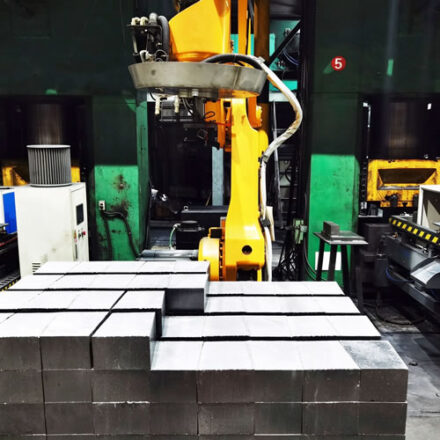
Dedicated transfers from dryer to kiln: high frequency, fixed points, running nights. - 成品入库码垛:重复动作、人工搬运损伤率高。
Finished goods to storage and stacking: repetitive, high manual damage rates. - 高温坯体转运:叉车司机在热辐射下作业,招工更难。
Hot body transfer: forklift drivers work under radiant heat — ever harder to staff.
二、两种别急的场景
2. Two scenarios to hold off
一是路线频繁变化的混流搬运,调度系统吃不下变化,误工比人工还多;二是地坪不平、通道不固化的老厂房,AGV 的激光导航和充电桩改造成本会吞掉全部收益。先修路再上车。
First, mixed flows with constantly changing routes — dispatch chokes and downtime beats labour cost. Second, old shops with uneven floors and soft lanes: navigation and charging infrastructure will eat the entire gain. Fix the road before buying the truck.
三、基础改造清单
3. The groundwork list
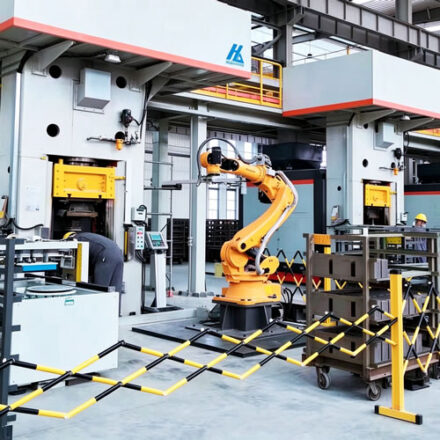
地坪平整度与承载、通道净宽与转弯半径、充电点位、与行车和叉车的交通管制规则,四项做完再谈选型。无人设备的收益来自节拍稳定,节拍稳的前提是路权清晰。
Floor levelness and loading, lane widths and turning radii, charging points, and traffic rules with cranes and forklifts — finish all four before choosing hardware. Automated fleets pay through stable rhythm, and stable rhythm needs clear right-of-way.