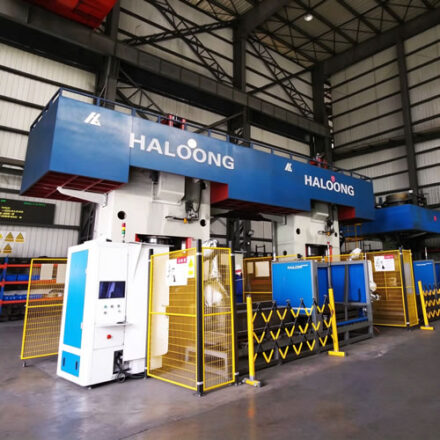
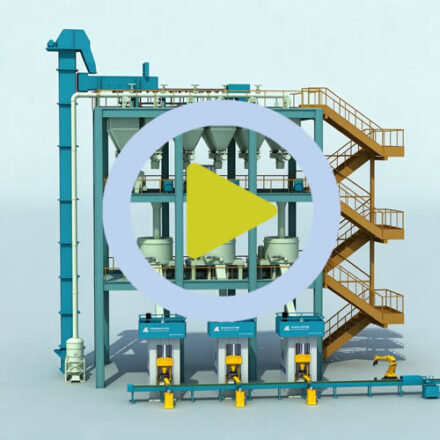
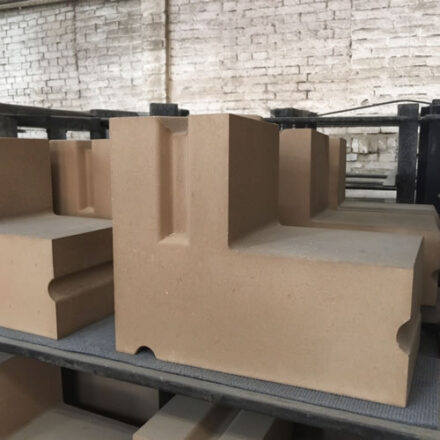
锻造车间桁架机械手与六轴机器人怎么选|Gantry or Six-Axis Robot for the Forge Shop

摘要:两种自动化搬运路线各有胜场。按产品族宽度、产线布局、地基条件、十年扩展四个维度对比,给出常见的搭配方案。
Abstract: Two automation routes, each strong in its own field. Comparing by part-family width, line layout, foundation conditions and ten-year growth, with common hybrid layouts.
正文: 锻造产线上自动化搬运的二选一:桁架机械手还是六轴机器人。这个问题没有标准答案,但有一个稳定的判断顺序。
Main text: The forge shop’s automation fork: gantry or six-axis. There is no universal answer, but there is a stable order of questions.
一、四个维度对比
1. Four dimensions compared
- 节拍与刚性:桁架占优,重件长行程稳,适合单一产品大批量。
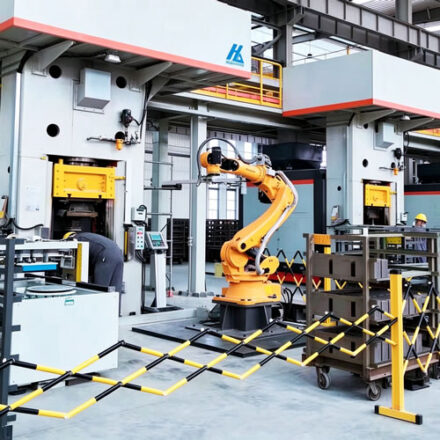
Cycle and rigidity: gantry wins — stable for heavy parts and long strokes, best for one product at volume. - 柔性与场地:六轴占优,占地小、换型快,适合多品种混线。
Flexibility and floor space: six-axis wins — smaller footprint, faster changeover, mixed production. - 地基与改造量:桁架要龙门立柱基础,老厂房改造成本高。
Foundations: gantries need column bases — costly retrofits in older shops. - 维护与人才:桁架结构简单电工就能修,六轴依赖机器人集成商。
Maintenance: gantries are simple enough for in-house electricians; robots lean on integrators.
二、常见搭配方案
2. Common hybrid layouts
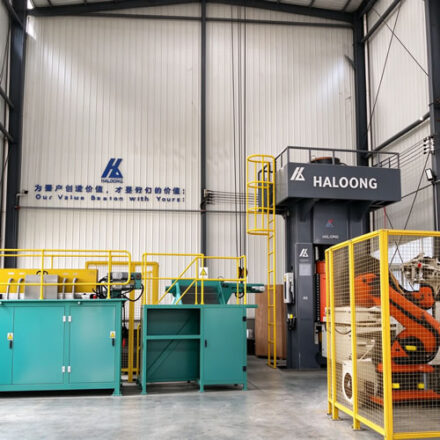
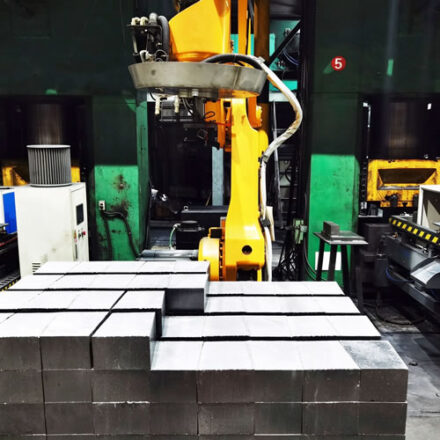
多数锻造车间的终态是混搭:感应加热到压机用桁架,压机到切边、堆垛用六轴。重载主流程给桁架保节拍,柔性末端给机器人吃换型。一上来就全机器人或全桁架的方案,第二年都会回头补另一半。
Most shops end up hybrid: gantry from induction heater to press, six-axis from press to trimming and stacking. Heavy main flow on the gantry protects the cycle; the flexible tail goes to robots. All-robot or all-gantry plans almost always add the other half in year two.