锻造车间的数据采集与 OEE 管理|Data Collection and OEE on the Forge Floor

摘要:OEE 手填报表没有管理价值。讲采集点怎么布、三大损失的锻造口径怎么定、第一年的现实目标定在哪。
Abstract: Hand-filled OEE is decoration. Where to put sensors, how to define the three losses for forging, and a realistic first-year target.
正文: 把 OEE 挂在墙上当口号容易,让它变成管理工具难。难点不在软件,在口径:锻造车间的停机、换模、慢速,每一项怎么定义、怎么采集,各家差别极大。
Main text: OEE as a wall slogan is easy; OEE as a management tool is hard. The difficulty is not software but definitions: downtime, changeover and slow-running each need forging-specific rules that vary wildly between shops.
一、采集点从压机开始
1. Start collection at the press
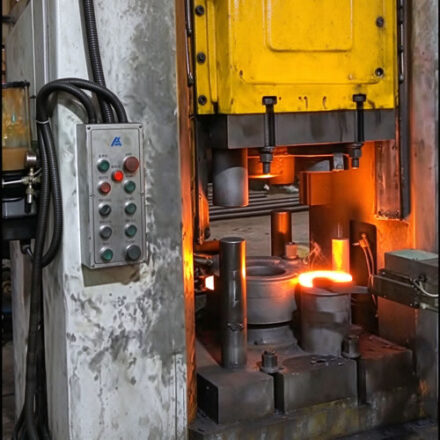
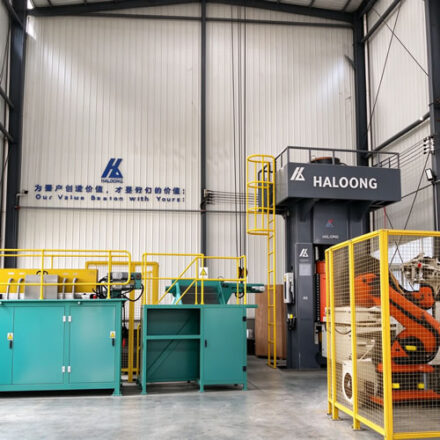
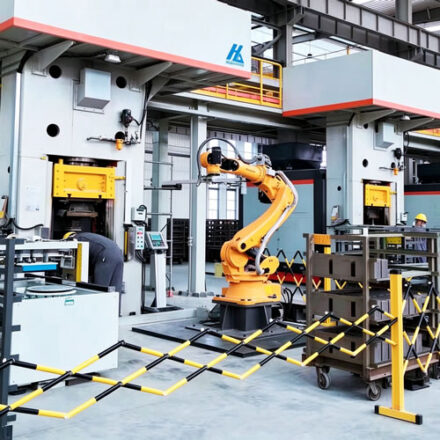
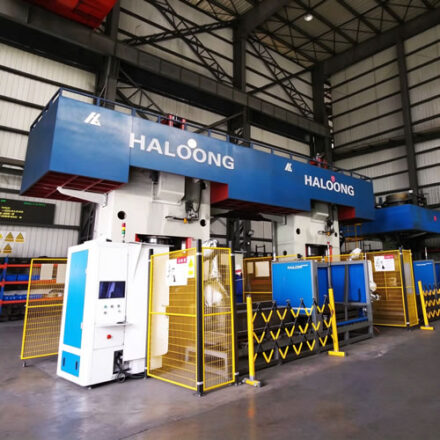
压机是产线的节拍源:行程计数器给产量,主电机电流给负载,润滑与液压的压力开关给状态。三路信号进一个采集盒,产量、速度、停机就有底账了,改造投入一台设备几千元。
The press is the line’s rhythm source: a stroke counter for output, main motor current for load, lubrication and hydraulic pressure switches for state. Three signals into one collector — output, speed and downtime get a ledger for a few thousand yuan per machine.
二、锻造口径的三大损失
2. The three losses, forge-style
- 停机损失:换模、故障、待料分列统计,混在一起 OEE 就是糊涂账。
Downtime: changeover, breakdown and starvation reported separately or OEE stays muddy. - 速度损失:实际行程次数对比额定值,慢速运行的班次要能追到人。
Speed loss: actual versus rated strokes per hour, traceable to the shift. - 质量损失:首件报废与过程报废分开,废品原因用固定代码填。
Quality loss: first-off scrap versus in-process scrap, coded with fixed reasons.
三、第一年的现实目标
3. A realistic first-year target
第一年不追 OEE 数值,追数据完整率:停机原因填写率九成以上、产量信号断线率百分之一以内。数字准了,第二年的改善项目自己会排队冒出来——OEE 的价值在于让它可信,而不是让它好看。
Year one chases data completeness, not the OEE number: downtime reasons logged above ninety percent, signal dropouts under one percent. Once numbers are trusted, improvement projects queue up on their own — OEE matters when it is believable, not when it is pretty.