锻件加工余量和公差怎么定|Setting Machining Allowance and Tolerance on Forgings

摘要:余量和公差不是拍脑袋定的:要覆盖脱碳层、氧化皮、错模量和热胀冷缩偏差。按锻件尺寸、复杂度、设备精度分档,给出可核对的取值依据。
Abstract: Allowance and tolerance are not guesswork: they must cover decarburization, oxide scale, die mismatch and thermal distortion. Sized by dimension, complexity and equipment precision, with a basis you can check.
正文: 锻件报价被压价,很多工厂的第一反应是把余量做小省料。余量确实占锻件重量的一到三成,但它是用来越过缺陷层的,砍余量之前得先算清楚下面这层皮有多厚。
Main text: When forging prices get squeezed, the first instinct is to shave the machining allowance to save metal. Allowance does account for a sizable share of forging weight, but it exists to clear the defective surface layer — measure that layer before cutting the allowance.
一、余量要覆盖的四层东西
1. The four layers allowance must clear
从外往里数:氧化皮、脱碳层、表面缺陷层和错模台阶。氧化皮和脱碳层随加热制度走,火焰炉比感应加热厚得多;错模量取决于设备与模具状态。四层加起来,才是这台设备在这个工艺下真实的余量下限。
Count from the surface in: oxide scale, decarburized layer, surface defects and die-mismatch steps. Scale and decarburization follow the heating regime — far thicker from a flame furnace than from induction; mismatch depends on press and die condition. The sum of the four is the true minimum allowance for that press and process.
二、公差等级跟着设备走
2. Tolerance class follows the equipment
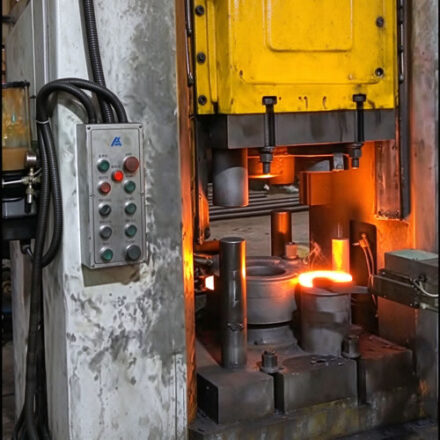
锤上模锻、热模锻压力机、摩擦压力机的公差等级不同,同一种锻件在摩擦压力机上做,公差就得放宽一档。报价时按设备定公差,比按客户期望定公差诚实,也省去后续扯皮。
Hammers, hot-forging presses and friction screw presses deliver different tolerance classes; the same part on a friction press needs a looser class. Quoting tolerances by equipment rather than by customer expectation is more honest and avoids disputes later.
- 余量按加工面定:单面余量通常留 2 到 6 毫米,随锻件尺寸增大。
Set allowance per machined face: typically 2 to 6 mm per side, growing with part size. - 脱碳层深的车加工面要确认走到亮金属,软点会带进热处理。
On deeply decarburized faces, confirm machining reaches bright metal or soft spots survive into heat treatment. - 非加工面要和客户约定公差与外观等级,写进图纸备注。
For as-forged faces, agree tolerance and surface class with the customer and note it on the drawing.
三、余量和成本的平衡点
3. Where allowance and cost balance
余量每多一毫米,机加工时间和金属消耗都在涨;余量不足,一批锻件在精加工时暴露黑皮,报废集中在最贵的那道工序上。合理的做法是把脱碳深度实测出来,余量定在实测值加安全余量,而不是靠抄老图纸。
Every extra millimetre of allowance raises machining time and metal consumption; too little and black skin surfaces during finishing — scrap concentrated at the most expensive operation. Measure decarburization depth and set allowance as measured depth plus margin, instead of copying an old drawing.
余量和公差的本质是把工艺的不确定性装进去。工艺稳定了,数字才有条件往小走,这个收益最终体现在每件的料耗上。
Allowance and tolerance exist to carry process uncertainty. As the process stabilises, the numbers can tighten — and that saving lands on material consumption per piece.