锻件与铸件怎么选:受力件选材的边界|Forging vs Casting: Where the Boundary Sits

摘要:铸锻各有主场:铸件形状自由、成本低、适合复杂薄壁;锻件组织致密、各向异性可控、抗疲劳好。讲受力件选型的边界,哪些情况必须锻、哪些情况铸件够用。
Abstract: Casting and forging each own a domain: casting for shape freedom and cost, forging for soundness and fatigue. The boundary for load-bearing parts, where forging is mandatory and where casting is enough.
正文: 设计零件时,铸还是锻,常被当成成本问题,其实更该是服役问题。同一张功能图,铸出来和锻出来,内部组织天差地别,决定它能不能扛住那股力。
Main text: Choosing cast or forged is often framed as a cost question, but it should be a service question. The same functional drawing, cast versus forged, yields entirely different internal structures — and decides whether the part carries the load.
一、两种工艺的本质差异
1. What the two processes really are
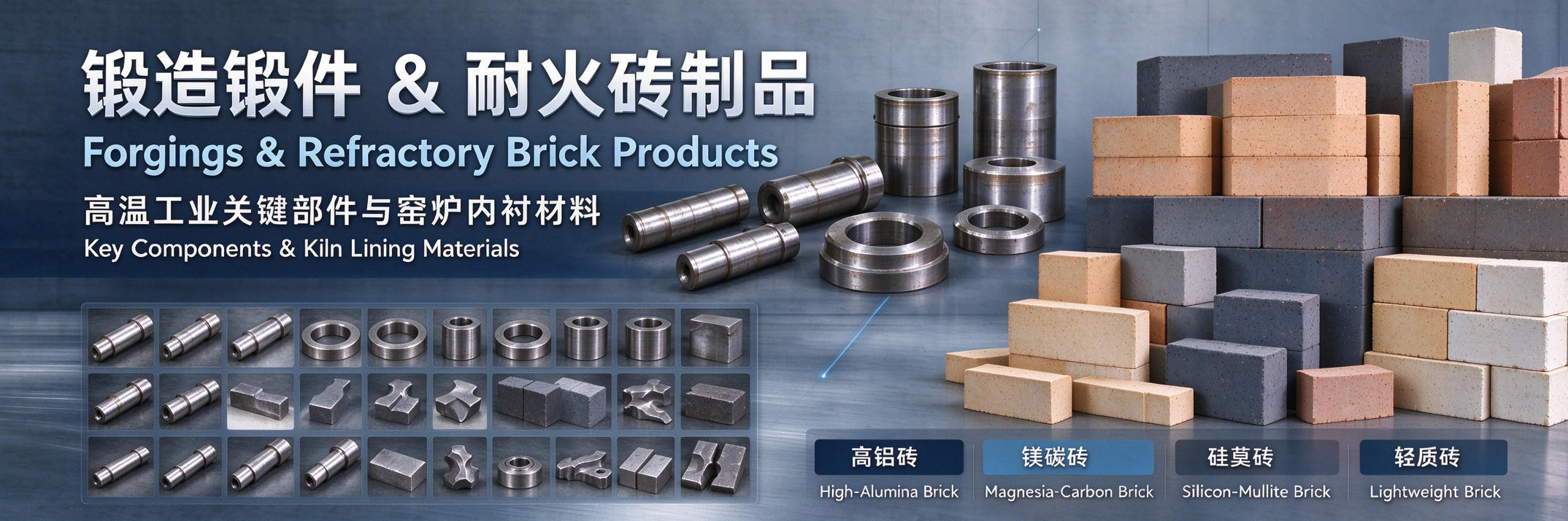
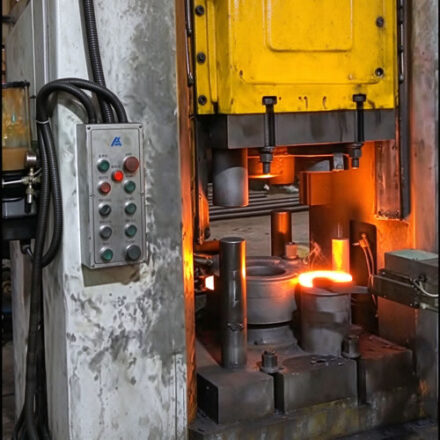
铸造是液态凝固,形状几乎不受限,但组织有缩松、偏析,致密度不如锻件。锻造是固态变形,把铸态缺陷焊合、晶粒细化,流线连续,抗疲劳和冲击明显占优。代价是形状复杂度上不去、模具和吨位成本高。
Casting solidifies from liquid: shape is nearly free, but the structure carries shrinkage porosity and segregation, less dense than a forging. Forging deforms in the solid state, welding shut cast defects and refining grains, with continuous flow lines and clear advantages in fatigue and impact. The cost is limited shape complexity and high tooling and tonnage.
二、什么时候必须锻
2. When forging is mandatory
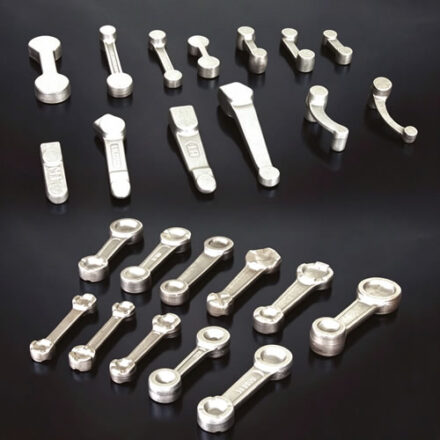
承受交变载荷、冲击载荷或安全等级高的零件——曲轴、连杆、轴承座、法兰、高压管件——内部不能有缩松,流线要连续,这类基本只能锻。航空、风电、压力容器对致密性和探伤等级的要求,把铸件挡在门外。
Parts under alternating or impact loads or high safety class — crankshafts, connecting rods, bearing housings, flanges, high-pressure fittings — must not contain shrink porosity and need continuous flow, so they are essentially forged. Aviation, wind and pressure-vessel specs on soundness and inspection grade close the door to casting.
三、什么时候铸件够用
3. When casting is enough
形状复杂、批量大、受力温和的壳体、支架、箱体类零件,铸件在成本和成型自由度上碾压锻件。只要工作应力低于材料许用值、不承受疲劳主控载荷,铸件完全胜任。
Complex, high-volume, gently loaded housings, brackets and boxes are dominated by casting on cost and form freedom. As long as working stress stays below the allowable and fatigue is not the controlling load, casting is fully adequate.
- 先看载荷性质:交变、冲击、高安全级,优先锻。
First the load nature: alternating, impact, high safety — prefer forging. - 再看形状复杂度:薄壁异形大件,铸件更现实。
Then shape complexity: thin-wall irregular large parts favour casting. - 铸锻重叠区,用探伤等级和疲劳裕度倒推工艺。
In the overlap, derive the process from inspection grade and fatigue margin.
选型不是铸锻二选一的政治,是把服役要求翻译成组织要求,再选能稳定交付那种组织的工艺。边界清楚了,成本自然落在该落的地方。
Selection is not a cast-versus-forge politics; it is translating service requirements into structural requirements, then choosing the process that reliably delivers that structure. With the boundary clear, cost lands where it should.