坯料加热自动化转运系统,减少温降与氧化|Automated Billet Transfer: Holding Temperature from Furnace to Press

摘要:坯料加热后转运过程中的温降、磕碰和二次氧化直接决定锻件质量。对比桁架机械手、六轴机器人、辊道料道三种方案的适用场景,并给出时序互锁、在位检测等关键控制要点。
Abstract: Temperature loss, impact damage and secondary scale during the transfer from furnace to die all end up in the forging. A comparison of gantry manipulators, six-axis robots and roller conveyors, plus the interlocks and part-present checks that keep them reliable.
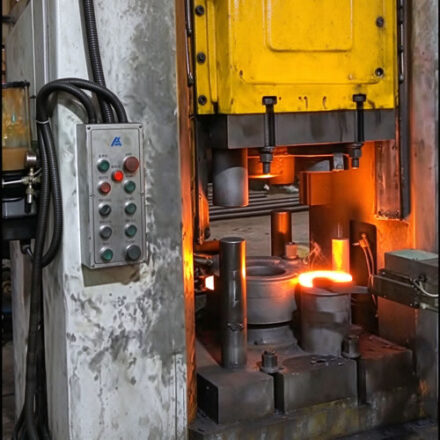
正文: 坯料经过感应加热或者燃气炉加热达到锻造温度后,从炉口取出输送至锻模,这一段就是加热转运工序。人工夹持转运时间不可控,等待时间过长坯料温度下降,表面氧化皮增多;同时高温坯件搬运安全风险高。
Main text: Once a billet reaches forging temperature in an induction coil or a gas furnace, it has to travel from the furnace mouth to the die. That is the transfer operation. Manual handling makes the time uncontrolled: wait too long and the billet cools, the scale layer thickens, and someone is moving a red-hot part by hand.
一、三种常见自动化转运方案
1. Three transfer options
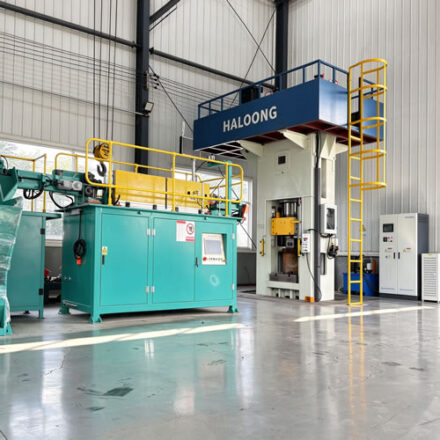
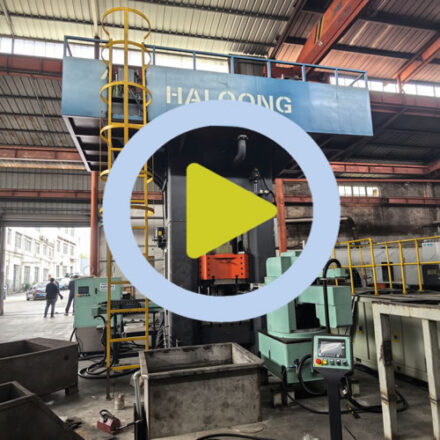
1)桁架机械手:适合固定直线工位,从加热炉出料口抓取坯料,直接送入锻模;结构简单、负载大、耐高温防护容易做,大批量同品种锻造首选。
1) Gantry manipulator. Best for a fixed, straight-line layout: it picks from the furnace exit and places directly into the die. Simple structure, high payload, easy to shield from heat. First choice for high-volume, single-part families.
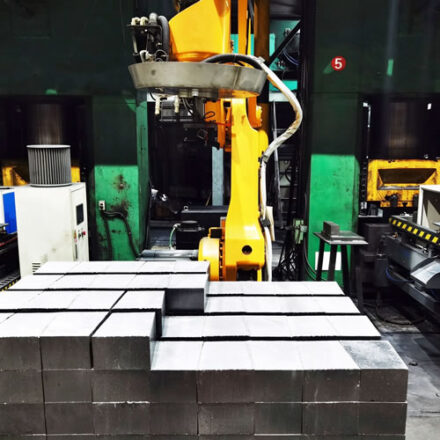
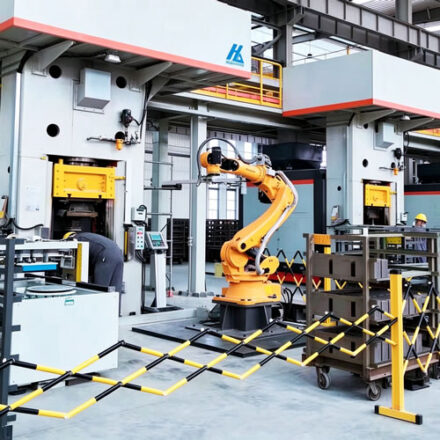
2)六轴工业机器人:工位布局灵活,可以兼容多台加热炉、多台锻压机,适合多品种小批量生产;缺点高温环境需要做防护罩、风冷隔热。
2) Six-axis industrial robot. Flexible layout, able to serve several furnaces and several presses, so it suits high-mix low-volume work. The drawback is the environment: it needs a heat shield and forced-air cooling.
3)辊道料道 + 推料机构:适合圆棒大批量,坯料在辊道上输送,配合定位机构送入模具;缺点坯料在辊道滚动过程会产生温降,容易磕碰表面。
3) Roller conveyor with a pusher. Suited to round bar in large volumes: billets roll along the conveyor and a locating mechanism feeds the die. The penalty is temperature loss during rolling and a real risk of surface damage.
二、关键控制要点
2. Control points that decide whether it works
- ① 尽量缩短转运时间,减少坯料在空气中暴露,降低氧化与温度损失;
1. Keep transfer time short. Less time in air means less scale and less temperature lost. - ② 抓手设计避免夹伤坯料表面;
2. Design the gripper so it cannot mark the billet surface. - ③ 和加热炉、锻压机信号互锁,炉门、锻压机动作和机械手动作时序联动;
3. Interlock with the furnace and the press so door, ram and manipulator are sequenced, not independent. - ④ 增加坯料在位检测,防止空抓、漏送坯料造成空锻打坏模具。
4. Add part-present detection. A missed billet means an empty blow, and an empty blow damages the die.
常见故障:高温辐射损坏传感器、坯料打滑掉落、时序错乱。解决方案:传感器加装隔热挡板,抓手增加防滑耐磨垫片,程序增加在位检测信号校验。
The usual failures are heat radiation killing sensors, billets slipping out of the gripper, and sequence faults. The fixes are straightforward: a heat baffle in front of the sensors, wear-resistant anti-slip pads on the gripper, and a part-present signal check in the program.
小结 加热转运自动化核心目标:稳定坯料入模温度,减少氧化磕碰,规避高温人工操作风险。大批量优先桁架,多品种柔性生产选用机器人。
In short. The purpose of automating the transfer is to hold the billet at temperature into the die, cut scale and impact damage, and take people away from red-hot parts. For high volume choose a gantry; for flexible high-mix production choose a robot.