铝棒回温关键细节,铝锻微裂纹、边角频繁开裂怎么办|Billet Equalisation: Why Aluminium Forgings Crack at the Corners

摘要:铝锻件边角开裂、内部微裂纹反复出现,多数不是设备和模具的问题,而是低温铝棒没有回温直接进炉,表层与芯部形成温度梯度。车间恒温 18–28℃、冷料回温≥12 小时、料温与环境温差≤5℃ 是三条硬指标。
Abstract: Corner cracks and hairline defects in aluminium forgings usually trace back to one step: cold billets going into the furnace without equalising. Shop at 18–28 °C, billet soak of at least 12 hours, and a surface-to-ambient difference within 5 °C before charging.
正文: 做铝合金锻造加工的老板、工艺师傅们,日常生产中大概率都遇到过这样的棘手问题:成品工件表面出现细微裂纹、边角位置频繁崩裂开裂,批次废品率居高不下。
Main text: If you forge aluminium, you have probably met this one: hairline cracks on the surface, corners chipping and splitting, and a scrap rate that refuses to come down.
很多人遇到锻造开裂问题,第一时间都会聚焦设备和工艺调整:反复调试加热炉温度、更改锻造打击力度、优化成型工序参数、调整保温时间,但折腾许久,开裂问题依旧反复,始终得不到根治。
The reflex is to work on the equipment and the process: re-tune the furnace, change the blow energy, adjust the forming parameters, extend the soak. Weeks of adjustment later the cracks are still there.
其实绝大多数铝锻开裂的根源,根本不在锻造设备和成型工艺,而是被所有人忽略的铝棒回温工序。很多工厂为了赶产能、图方便,直接将库房存放的低温铝棒直接上料、进炉加热,这也是铝锻微裂纹、边角开裂频发的核心元凶。
In most cases the root cause is not the press and not the forming sequence. It is the equalisation step that nobody schedules. Billets are pulled from a cold store and charged straight into the furnace to keep throughput up, and that single shortcut accounts for most of the corner cracks and micro-defects in aluminium forging.
一、为什么低温铝棒直接锻造,一定会开裂?
1. Why a cold billet is guaranteed to crack
铝合金材质本身特性特殊,对温度均匀度极其敏感,热胀冷缩系数大、导热速度相对较慢。车间生产环境温度与库房低温铝棒存在巨大温差时,直接上料加热锻造,会产生不可逆的工艺缺陷。
Aluminium alloys are unusually sensitive to temperature uniformity: high thermal expansion, comparatively slow conduction. When a cold billet meets a warm shop and then a hot furnace, the damage is already done before the first blow.
低温铝棒突然进入高温加热炉,铝棒表层会快速升温膨胀,但芯部温度依旧处于低温状态、保持收缩状态。短时间内,坯料内外形成极大的温度梯度,产生强烈的热应力。
Charge a cold billet into a hot furnace and the skin heats and expands long before the core does. For the first part of the cycle the outside is in tension and the inside is still shrinking. The thermal gradient across the section is steep, and so is the stress.
此时进行锻造加工,坯料表层受热软化、芯部坚硬紧绷,内外变形完全不同步。边角位置作为应力集中的薄弱区域,会最先出现开裂、崩角;工件内部则会产生肉眼难辨的微裂纹,不仅影响产品外观,还会大幅降低铝锻件的结构强度和使用寿命,造成批量报废、返工,直接拉高生产成本。
Forge in that state and the surface is soft while the core is still hard and tight. Surface and core no longer deform together. Corners, where stress concentrates, crack and chip first. Inside, the billet develops micro-cracks too fine to see, which cut structural strength and fatigue life. The result is batch scrap and rework, and the cost lands on the shop.
二、行业通用量化回温标准,可直接照搬
2. The equalisation standard you can copy directly
铝棒回温不是「凭感觉、看天气」的模糊工序,而是有明确量化标准的关键工艺。想要彻底杜绝低温料开裂问题,无需盲目试错,直接执行这套标准化流程即可,适配绝大多数铝合金锻造生产线。
Equalisation is not a matter of judgement or of watching the weather. It has numbers, and they apply to almost every aluminium forging line. Run this and the cold-billet cracking problem goes away without trial and error.
(一)车间环境恒温标准
(1) Hold the shop at temperature
锻造生产车间日常恒温需稳定控制在 18℃-28℃ 区间。这个温度范围是铝合金坯料成型的最优环境,能最大程度缩小铝棒与生产环境的温差,避免温差过大产生热应力,同时保障锻造过程中坯料变形均匀,提升成品精度和合格率。
The forging shop should be held at 18–28 °C. Within that band the difference between billet and ambient stays small, thermal stress on charging is minimised, and the billet deforms evenly through the stroke, which shows up directly in dimensional accuracy and first-pass yield.
(二)冬季低温铝棒专项回温要求
(2) Winter billets need a dedicated soak
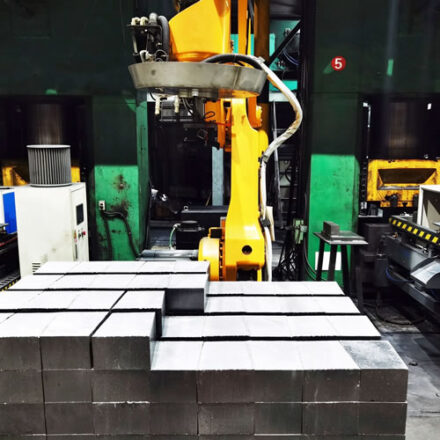
秋冬季节气温低,库房铝棒整体温度偏低,是开裂问题的高发期。所有低温冷铝棒,必须提前转运至锻造车间自然回温,回温时长最低不少于12小时。
Autumn and winter are when cold-store billets drop furthest below ambient, and that is when cracking peaks. Every cold billet must be moved into the forging shop and left to equalise for at least 12 hours before anything else happens to it.
投产前必须做好温度检测,严格把控核心指标:铝棒表面温度与车间环境温差≤5℃,满足该条件方可进炉加热、上料锻造。
Measure before charging. The acceptance criterion is simple: surface temperature within 5 °C of shop ambient. Only then does the billet go into the furnace and onto the press.
三、绝对红线:严禁冷料直接进炉
3. The red line: no cold charging
很多工厂出现质量问题,本质都是产能优先、忽视工艺规范,为了赶订单、提效率,跳过铝棒回温步骤,直接将库房冷铝棒送入加热炉。看似节省了十几个小时的等待时间,实则埋下巨大质量隐患。
Most of these quality failures come down to throughput winning over procedure. To clear an order, the equalisation step is skipped and cold billets go straight into the furnace. It looks like half a day saved. In reality it is a quality liability booked in advance.
冷料直接进炉的危害是连锁性的:不仅会造成工件边角开裂、内部微裂纹,还会导致坯料加热不均、锻造成型不稳定,出现尺寸偏差、硬度不均等次生问题,后续质检、返工成本远超回温等待的时间成本。
The consequences cascade. Corner cracks and internal micro-defects are only the first symptom. Uneven heating makes the forming operation itself unstable, which brings dimensional drift and scattered hardness. The inspection and rework that follow cost far more than the waiting time ever would.
在这里给所有铝锻生产团队立下硬性红线:无论生产任务多紧急,严禁低温冷铝棒直接进炉加热、直接上料锻造。将铝棒回温工序纳入生产质检前置标准,从源头规避开裂缺陷。
So make it a rule for the whole team: however urgent the order, a cold billet does not go into the furnace and does not go onto the press. Put equalisation into the pre-production quality checklist and the cracking defect is eliminated at the source.
四、总结:细节决定铝锻合格率
4. Summary: the detail decides the yield
铝合金锻造工艺中,加热温度、锻造参数、模具精度固然重要,但看似不起眼的铝棒回温工序,是保障成品质量的基础前提。
Heating temperature, forging parameters and die accuracy all matter, but the unglamorous equalisation step is the foundation everything else stands on.
绝大多数反复出现的微裂纹、边角开裂问题,无需复杂的工艺改造,只需规范铝棒回温流程、落实量化温度标准,就能快速、彻底解决,大幅降低废品率,提升生产效率和产品品质。
Most recurring micro-cracking and corner splitting needs no elaborate process change. Standardise the equalisation flow, enforce the temperature criteria, and the scrap rate drops quickly and permanently.
锻造生产,拼到最后拼的都是细节。守住铝棒回温这条基础红线,就能避开80%的铝锻开裂质量问题!
In the end forging is a contest of details. Hold the equalisation line and roughly four out of five aluminium cracking problems never happen.