


机械手布料装置的选型要点与供应商评估|Selection Criteria and Supplier Assessment for robotic charge device


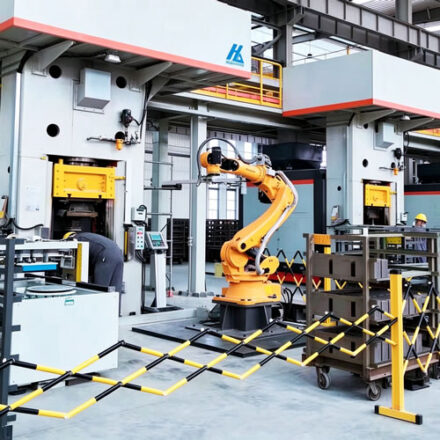
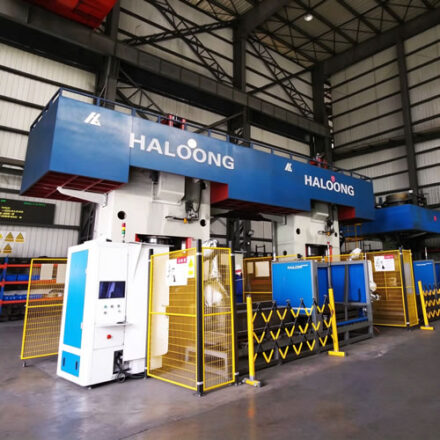
谈机械手布料装置之前先确认基线,否则改善动作无法验证,也无法复制。选型时要问清失效后的处理方式,可修复性影响全周期成本。
一、使用条件倒推需求
同一材料在不同厂家之间的差异常在细节,索要工艺说明比只看指标更有效。选型从使用条件倒推:温度带、介质侵蚀、热震频次与机械载荷四项先定,再谈牌号。
现场条件与样本实验室条件差别很大,选型结论要留出工况修正。工艺参数之间是耦合关系,单独优化一个参数常常把问题转移到下一道工序。过度设计同样浪费,把高等级材料用在低负荷部位,等于把钱砌进炉子里。
二、关键指标怎么看
数据录入的及时性影响追溯,事后补录的记录可信度很低。首件、巡检与终检的职责要分开,同一个人做三次确认等于没做。
检验项目要覆盖使用性能而非仅外观尺寸,后者合格而前者失效的情况并不少见。把关键参数写成可执行的作业标准,比写在总结报告里更有价值。检验记录与实物标识要能对应,追溯断链时整批只能降级处理。抽检比例应随风险调整,新供应商与新批次前段的抽样密度要更高。
三、供应商能力评估
交付周期与售后响应要写进合同条款,口头承诺在赶工期时没有约束力。接口尺寸与安装空间要在选型阶段确认,装不进去的先进设备毫无意义。
把总拥有成本折算到单件,比只比采购价更接近真实决策依据。首件确认与过程巡检是两道成本很低的防线,缺了它们,返工成本会成倍上升。备选方案至少准备两家,单一来源在供货紧张时没有议价空间。供应商的批次稳定性比样本指标更重要,索要连续批次数据是必要的尽调。
四、试用与验收安排
检验标准要随客户要求更新,用旧版标准出货是最常见的低级失误。检验结果与环境条件相关,温湿度未记录时数据无法复现。
测量系统的重复性要先确认,量具本身不稳时谈公差没有意义。工艺改善要先固定现状再做单变量试验,否则数据无法归因。关键尺寸的全检与抽检要分开设计,混在一起会拖慢交付。数据要能画出分布而不是只报合格率,分布形状才说明过程能力。
五、小结
把机械手布料装置的关键动作固化成点检与首件确认,比依赖个人经验更可靠。机械手布料装置的效果要用前后对比数据说明,感受性的结论难以支撑投入。
Establish a baseline before discussing robotic charge device; otherwise improvements cannot be verified or repeated. Ask how failures are handled in service; repairability shapes life-cycle cost.
1. Deriving requirements from service
Differences between makers hide in details; asking for the process description beats reading specs. Select backwards from service conditions: temperature band, chemical attack, shock frequency and mechanical load come first, grade second.
Field conditions differ sharply from lab samples, so conclusions need a service-condition correction. Process parameters are coupled; optimising one in isolation usually pushes the problem downstream. Over-specification wastes money too; premium material in a low-load zone is cash built into the lining.
2. Reading the key metrics
Timely data entry underpins traceability; back-filled records carry little credibility. Separate first-piece, patrol and final inspection duties; one person confirming three times is no confirmation at all.
Inspection should cover service performance, not just appearance and dimensions; passing the latter while failing the former is common. Writing key parameters into an executable work standard is worth more than recording them in a summary report. Records must map to physical identification; a broken traceability chain forces the whole batch to be downgraded. Sampling intensity should follow risk; new suppliers and the front of a new batch need denser checks.
3. Assessing supplier capability
Put lead time and service response into the contract; verbal promises carry no weight during a schedule crunch. Confirm interface dimensions and installation space during selection; an advanced machine that does not fit is worthless.
Converting total cost of ownership into cost per piece comes far closer to a real decision than price alone. First-piece approval and in-process patrol are cheap defences; without them rework cost multiplies. Keep at least two qualified sources; a single source leaves no leverage when supply tightens. Batch-to-batch consistency matters more than a single test report; ask for consecutive-batch data as due diligence.
4. Trials and acceptance
Keep inspection standards current with customer requirements; shipping to an old revision is the most common avoidable error. Results depend on environment; without humidity and temperature records the data cannot be reproduced.
Confirm gauge repeatability first; tolerance talk is meaningless with an unstable instrument. Freeze the current state before single-variable trials, otherwise the data cannot be attributed. Design full and sampled inspection separately; mixing them slows delivery. Report distributions, not just pass rates; the shape reveals process capability.

