高铝砖常见缺陷的成因与防控|Root Causes and Control of Common Defects in high-alumina brick


裂纹、剥落与组织不均是高铝砖现场最常见的失效形式,识别诱因才能对症下药。
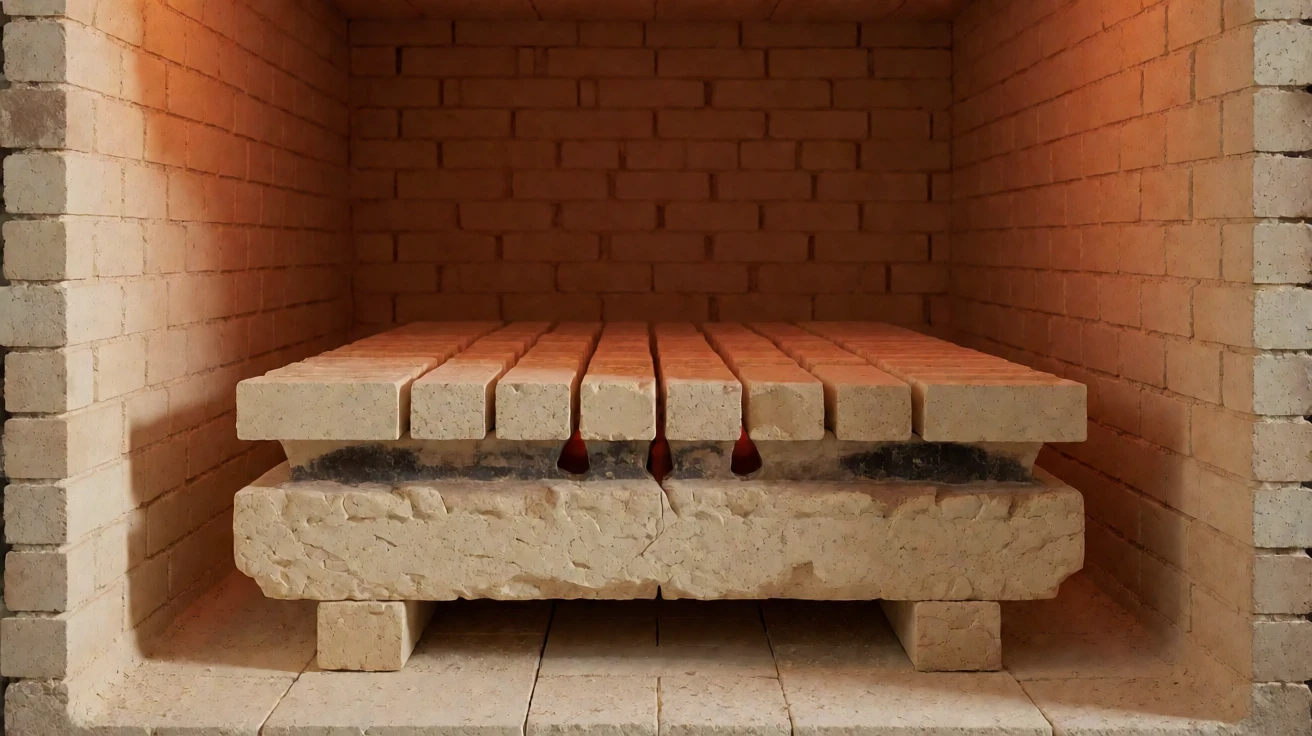
一、热震开裂
剧烈温度波动使高铝砖表层与内部产生应力差,宜改善梯度升温与材质热震性。
二、侵蚀与剥落
熔渣沿气孔与晶界渗透,形成变质层后整片剥落,需提升致密度。
三、施工引入缺陷
振动不匀、灰缝虚粘等施工问题会放大高铝砖的服役风险。
四、在线监测与预警
建立厚度测厚与残厚预警,按侵蚀速率安排维护窗口。
Cracking, spalling and non-uniform structure are the typical failure modes of high-alumina brick; root-cause ID drives the fix.
1. Thermal-shock cracking
Sharp temperature swings stress high-alumina brick; use graded heating and better thermal-shock resistance.
2. Erosion and spalling
Slag penetrates pores and grain boundaries, then flakes; raise density to resist it.
3. Installation defects
Uneven vibration and poor joints amplify service risk in high-alumina brick.
4. Monitoring and early warning
Track thickness and set wear-rate alarms to plan maintenance windows.
更多内容见耐材产品栏目。相关标准与资料可参考ASTM 国际标准。
More case studies in our Refractory Products section. For standards see ASTM 国际标准.