锻件冷却及后续热处理工艺|Post-Forging Cooling and Heat Treatment


摘要:锻后冷却制度决定残余应力大小,不合理冷却会带来变形与开裂。高合金钢、高碳锻件必须堆冷或坑冷缓冷;正火、退火、调质各自解决不同问题,升温保温冷却曲线要按材质执行并留记录。
Abstract: How a forging cools sets its residual stress, and careless cooling produces distortion and cracking. Alloy and high-carbon grades need slow cooling in a pile or pit. Normalising, annealing and quenching-and-tempering each solve a different problem.
正文: 锻件锻打完成之后的冷却不能随意堆放冷却,不合理冷却会产生残余应力,出现变形、开裂。
Main text: A forging cannot simply be left in a heap to cool. Uncontrolled cooling generates residual stress, and that shows up as distortion and cracking.
一、锻后冷却:按材质分档
1. Post-forging cooling, by material
普通碳钢锻件:可以空冷;高合金钢、高碳锻件:严禁快速吹风急冷,可以采用堆冷、坑冷,缓慢释放内应力,防止开裂。
Plain carbon steel can be left to air cool. High-alloy and high-carbon forgings must not be force-cooled with a fan: use pile cooling or pit cooling so internal stress is released slowly and the part does not crack.
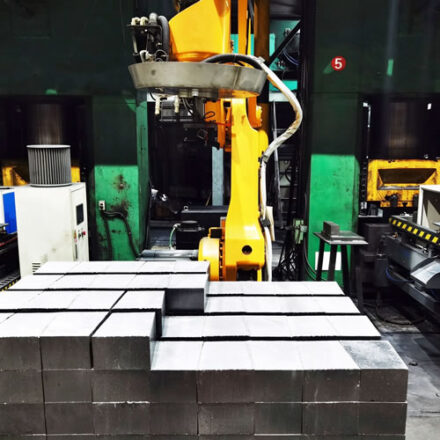
管控要点:锻件不能堆叠太厚,堆叠内部散热慢,冷却不均;高风险材质执行缓冷制度。
Two points to control: do not build the pile too deep, because the centre cools far slower than the outside and the mismatch produces its own stress; and apply a written slow-cooling procedure for the high-risk grades.
二、后续热处理:三种制度,解决三个问题
2. Heat treatment: three schedules, three problems
- 正火:细化锻造粗大晶粒,改善组织;
Normalising. Refines the coarse as-forged grain and improves structure. - 退火:降低硬度,消除锻造应力,便于后续机加工;
Annealing. Lowers hardness, relieves forging stress and makes the part machinable. - 调质(淬火 + 高温回火):获得高强度 + 韧性,用于承载重要零部件。
Quenching and high-temperature tempering. Gives the strength-plus-toughness combination needed for load-carrying parts.
工艺关键点:热处理升温曲线、保温时间、冷却介质、冷却速度严格按照材质执行;装炉摆放保证工件受热均匀;做好热处理温度、时间记录。
The heating curve, soak time, quench medium and cooling rate all follow the material specification. Loading must allow uniform heating. Temperature and time are recorded for every load.
风险:淬火冷却过快容易开裂;保温不足组织转变不完全,力学性能达不到要求。
The two risks are symmetrical: quench too fast and the part cracks; soak too short and the transformation does not complete, so the mechanical properties miss the specification.
小结 锻后冷却不等于随便放凉,合金钢要执行缓冷;热处理严格执行升温保温冷却工艺,做好工艺记录。
In short. Post-forging cooling is a process step, not a pause. Alloy steel needs slow cooling, and heat treatment must follow the specified heat-up, soak and cooling with the records to prove it.

