
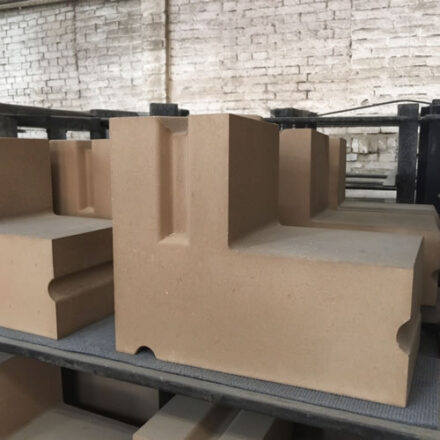
除鳞机的安装调试与投产衔接|Installation, Commissioning and Start-up for descaling machines


除鳞机的方案是否成立,最终要在连续三个批次上验证。设备选型先定能量与刚性需求,再按节拍匹配自动化,顺序反了会反复改造。
一、安装前的条件确认
售后备件清单与响应时限应在合同附件中列明。锻件种类跨度大的车间,设备柔性比单机极限能力更有价值。
厂家的工艺案例要看同类件,跨行业的案例参考价值有限。工艺参数之间是耦合关系,单独优化一个参数常常把问题转移到下一道工序。产能规划要留出维护与换模时间,按满负荷计算的方案在现场无法实现。设备能力要按最难的零件校核,按平均件选型会在关键件上受限。
二、调试的关键步骤
打击次数的分配要按变形量设计,靠多打几次弥补能量不足会损伤模具。换模后的参数复核要包含设备侧与模具侧两套数据,只核一边容易漏项。
变形速率对流动应力的影响在高应变区更明显,速度提高会让载荷非线性上升。把关键参数写成可执行的作业标准,比写在总结报告里更有价值。模具预热温度偏低时,前几件的充填与尺寸都与稳态不同,不能作为判定依据。润滑用量要按件计量而不是按时间喷涂,过量润滑会带来充填不良与气体卷入。除鳞机的工艺窗口要按温度、变形量与速度三个维度确定,单独锁定其中一个维度通常无效。
三、试生产的验证
无损检测的人员资质要留存,客户审核时这是必查项。锻件检测要覆盖尺寸、表面与内部三类,只做外观会漏掉最致命的缺陷。
探伤比例要与零件重要度挂钩,关键件应提高覆盖。首件确认与过程巡检是两道成本很低的防线,缺了它们,返工成本会成倍上升。检测数据要按批次归档并与工艺参数关联,追溯才能闭环。量具的校准状态要在使用前确认,过期量具的数据只能作废。
四、移交与培训
模具预热要按工艺执行,赶产量跳过预热会缩短寿命。模具的预热与冷却节奏要按件数管理,冷热交替过急会加速热裂纹。
导轨与导向面的磨损会先体现在锻件错移上,点检应包含间隙测量。工艺改善要先固定现状再做单变量试验,否则数据无法归因。维修备件的替代要经工艺确认,随意替代会引入新的波动。液压油的清洁度是很多故障的源头,过滤与检测要按周期执行。
五、小结
除鳞机的效果要用前后对比数据说明,感受性的结论难以支撑投入。把除鳞机的关键动作固化成点检与首件确认,比依赖个人经验更可靠。
Whether a descaling machines solution holds must be proven over three consecutive batches. Set energy and stiffness requirements first, then match automation to takt; reversing the order leads to repeated retrofits.
1. Pre-installation checks
List spare parts and response times in a contract annex. In a shop with a wide part mix, equipment flexibility is worth more than peak single-machine capability.
Ask for cases on similar parts; cross-industry references carry limited value. Process parameters are coupled; optimising one in isolation usually pushes the problem downstream. Capacity planning must reserve time for maintenance and changeovers; full-load plans never survive the floor. Rate equipment against the hardest part; sizing on average parts constrains the critical ones.
2. Commissioning steps
Distribute blows by required strain; extra blows to compensate for low energy damage the die. Post-changeover verification should cover both machine and die data; checking one side leaves gaps.
Strain rate affects flow stress most in the high-strain region, where load rises non-linearly with speed. Writing key parameters into an executable work standard is worth more than recording them in a summary report. With a cold die, the first few parts differ from steady state in fill and dimension, so they cannot be used for judgement. Meter lubricant per part rather than per unit time; over-application causes poor fill and gas entrapment. The process window for {t} is defined across temperature, strain and speed; pinning one dimension alone rarely works.
3. Pilot-run verification
Keep NDT personnel certification on file; customers always audit it. Forging inspection covers dimensions, surface and interior; appearance alone misses the most damaging defects.
Tie NDT coverage to part criticality; safety-relevant parts need more. First-piece approval and in-process patrol are cheap defences; without them rework cost multiplies. Archive inspection data by batch and link it to process parameters to close the traceability loop. Confirm gauge calibration before use; data from an expired gauge must be discarded.
4. Handover and training
Follow the die preheat routine; skipping it to chase output shortens life. Manage die preheat and cooling by part count; rapid thermal cycling accelerates heat checking.
Guide wear shows up first as mismatch in the forging; include clearance measurement in checks. Freeze the current state before single-variable trials, otherwise the data cannot be attributed. Approve substitute spares through process review; casual substitution introduces new variation. Oil cleanliness is the root of many failures; filtration and testing need a fixed interval.

