坯料感应加热工艺与温度管控|Induction Heating of Billets: Soak, Overheat and Temperature Control


摘要:坯料加热的目标不是「烧红」,而是芯表温度均匀、达到合适锻造温度且不过热过烧。讲感应加热的透热控制、温度区间、四类工艺缺陷与批次追溯。
Abstract: The goal of heating is not a red surface. It is a billet at forging temperature with the core as hot as the skin, and no overheating. Through-heating, temperature windows, four defect modes, and batch traceability.
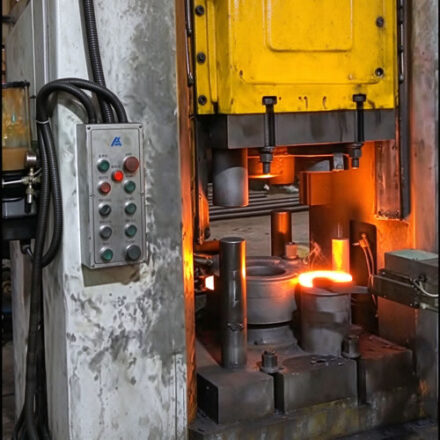
正文: 坯料加热核心目标:把坯料加热到合适锻造温度,芯部与表面温度均匀,避免过热、过烧。
Main text: The objective in heating is narrow: bring the billet to forging temperature with core and surface in equilibrium, and stop short of overheating or burning.
碳钢、合金钢锻造温度区间参考:普通碳钢始锻温度 1150‑1250℃;终锻温度不低于 800℃;合金钢要根据材质降低始锻温度。
Reference windows: plain carbon steel starts forging at 1,150–1,250 °C and must finish above 800 °C. Alloy grades generally need a lower start temperature, set by the specific material.
一、感应加热的四个关键点
1. Four things that decide the result
1、透热:不能只表面烧红芯部温度低。要匹配棒料直径,控制进给速度、功率,保证芯表温差小。棒料直径越大,需要更长加热时间。
1) Through-heating. A red skin over a cold core is not heated. Match feed rate and power to bar diameter so the core-to-surface difference stays small. The larger the diameter, the longer the residence time required.
2、防止过热过烧:温度过高晶粒粗大,甚至晶界熔化,锻件力学性能直接报废。严格控制最高加热温度。
2) Prevent overheating and burning. Excess temperature coarsens the grain and can melt grain boundaries, which destroys mechanical properties outright. Cap the maximum temperature.
3、氧化控制:尽量缩短高温停留时间,减少氧化皮生成。
3) Control oxidation. Keep time at temperature short to limit scale formation.
4、温度管控:定期校验测温设备;禁止凭肉眼颜色判断温度。
4) Control the measurement. Calibrate pyrometers on schedule, and never judge temperature by eye against colour.
二、三类工艺缺陷
2. Three defect modes
- 欠热:芯部没热透,锻造变形抗力大,充型困难,模具载荷大;
Under-heating. The core is not soaked, flow stress is high, the die will not fill, and die load climbs. - 过热过烧:晶粒粗大,锻件韧性差,容易开裂;
Overheating or burning. Coarse grain, poor toughness, cracking. - 芯表温差大:表面温度高芯部冷,锻打后组织不均匀。
A large core-to-surface gradient. The surface is hot and the core cold, and the forging ends up with a non-uniform structure.
三、批次管控
3. Batch records
记录每批次加热工艺参数、实际测温数据,方便质量追溯。
Record the heating parameters and the actual measured temperatures for every batch, so that a quality question can be traced back to a specific run.
小结 坯料加热不是烧红即可,重点管控透热,防止过热过烧;依靠实测温度,不依靠肉眼观察火焰颜色。
In short. Heating is not about getting the billet red. Control through-heating, avoid overheating, and work from measured temperature instead of the colour of the flame.

