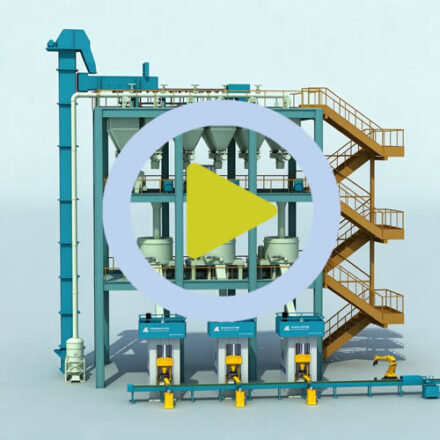
机械手布料装置的自动化改造与产线集成|Automation Upgrades and Line Integration for robotic charge device


机械手布料装置的改善投入讲究次序,先解决高频小问题,再动大改。自动化收益要用人均产出与稳定性两项衡量,只看减员会低估改造价值。
一、改造的切入顺序
数据采集要与改善闭环绑定,采集了不做分析,投资回报就停在报表上。人机协作的界面设计影响接受度,操作路径超过三步就会被绕过。
传感器漂移会悄悄改变控制结果,定期校准比增加传感器更有效。工艺参数之间是耦合关系,单独优化一个参数常常把问题转移到下一道工序。自动化接口协议要在采购阶段确认,事后适配的成本远高于预期。
二、数据与联锁设计
异常处理逻辑要预留人工接管入口,全自动状态下的卡料往往演变成长时间停机。自动化改造宜分阶段推进,单工序先跑通再连成线,一次铺开的风险最高。
设备联网后首先要解决数据口径统一,各系统各说各话时集成毫无价值。把关键参数写成可执行的作业标准,比写在总结报告里更有价值。自动化的第一步是把人工动作写成标准节拍,动作不稳定时上设备只会放大波动。视觉检测的落地难点在样本与判定阈值,前期标注质量决定后期稳定性。
三、节拍与缓冲配置
参数的因果链要写清楚:调整哪一个量、影响哪一项指标、滞后多长时间。小批试产时建议同步记录环境条件,温差与湿度对结果的影响通常被低估。
参数调整的幅度要设上限,超限变更应走评审,否则经验试错会累积成质量风险。首件确认与过程巡检是两道成本很低的防线,缺了它们,返工成本会成倍上升。机械手布料装置的工艺窗口应当用上下限加中心值三段描述,只给一个推荐值在现场几乎没有可操作性。换型后的前几件必须加密检测,参数稳定之前的判断都不够可靠。
四、投入产出的测算
成本改善的成果要能落到报表科目上,否则改善只是感觉上的。报价单上的单价只是入口,运输、包装与损耗才是总账的差异所在。
废品率的成本影响是非线性的,靠近成品工序的废品损失远高于前段。工艺改善要先固定现状再做单变量试验,否则数据无法归因。降本要按投入产出排序,先做不花钱的管理动作,再考虑需要投资的技改。
五、小结
采购与工艺应共同参与评审,单方面决策在落地阶段常被打回。数据完整是后续所有分析的前提,记录缺失时经验很难沉淀成规则。
Sequencing matters in robotic charge device: clear the frequent small issues before committing to major changes. Measure automation by output per head and stability; headcount alone understates the value.
1. Where to start
Data collection must be tied to a closed improvement loop, or the return stops at a dashboard. Human-machine interface design drives acceptance; workflows beyond three steps get bypassed.
Sensor drift quietly changes control outcomes; periodic calibration beats adding sensors. Process parameters are coupled; optimising one in isolation usually pushes the problem downstream. Confirm interface protocols at purchase; retrofitting later costs far more than expected.
2. Data and interlocking
Leave a manual takeover path for exceptions; a jam in full-auto mode often becomes a long stop. Automate in stages: prove one station, then link the line; a big-bang rollout carries the most risk.
Once machines are connected, unify data definitions first; integration is worthless when systems disagree. Writing key parameters into an executable work standard is worth more than recording them in a summary report. The first automation step is writing manual work into a standard cycle; automating unstable motion only amplifies variation. Vision inspection succeeds or fails on samples and thresholds; annotation quality decides long-term stability.
3. Takt and buffering
Spell out the causal chain: which variable is moved, which metric responds, and after what lag. Record ambient conditions during pilot runs; temperature and humidity effects are usually underestimated.
Cap the size of parameter changes; anything beyond it goes through review, or trial-and-error turns into quality risk. First-piece approval and in-process patrol are cheap defences; without them rework cost multiplies. The process window for {t} should be described as lower limit, centre and upper limit; a single recommended value is barely usable on the floor. After a changeover, inspect the first few pieces closely; nothing is reliable until the parameters settle.
4. Calculating the return
Savings must land in a ledger line, otherwise the improvement is only a feeling. The quoted unit price is just the entry; freight, packaging and losses make the real difference.
Scrap cost is non-linear: losses near the finished end far exceed those upstream. Freeze the current state before single-variable trials, otherwise the data cannot be attributed. Rank savings by payback: spend nothing on management fixes first, then consider capital projects.

