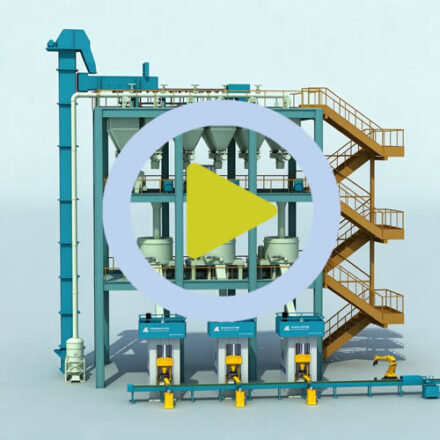
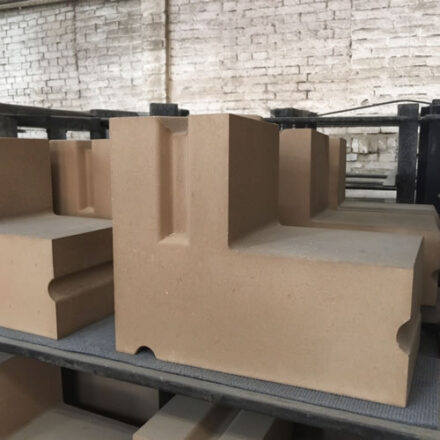

轻质隔热砖的自动化与智能化应用|Automation and Intelligence in lightweight insulating brick


将传感、控制与数据闭环引入轻质隔热砖的生产与质检,可显著提升一致性、可追溯性与人均产出,是转型升级的必经之路。
一、过程自动化的切入点
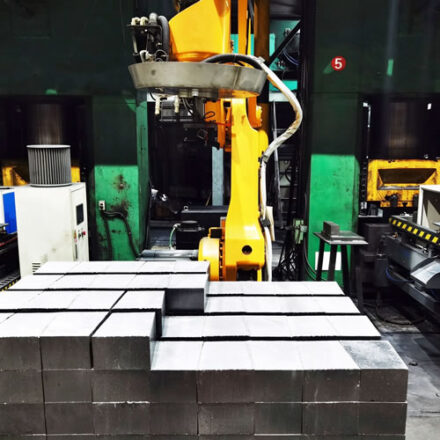
配料、成形与养护是轻质隔热砖质量一致性的第一道关口,也最易通过自动化获得回报,建议优先改造。
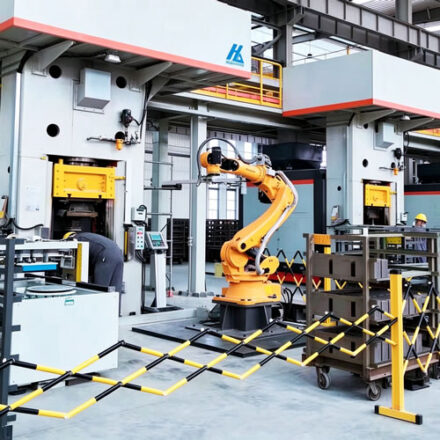
自动化不是全盘机器人化,而是先把高重复、高误差、高危险的环节用设备替代,逐步迭代。
1. Where to automate first
Adding sensing, control and data loops to the production and inspection of lightweight insulating brick lifts consistency, traceability and per-capita output—a necessary step in upgrading the business.
Batching, forming and curing are the first gates to consistency of lightweight insulating brick and the easiest to pay back via automation—upgrade them first.
Automation is not full robotization; first replace the high-repetition, high-error, high-risk steps with equipment, then iterate.
二、机器视觉质检
基于深度学习的视觉检测可在线识别轻质隔热砖表面裂纹、缺角与尺寸超差,替代人工目检,检出率与一致性大幅提升。
关键是建立足量、带标签的缺陷样本库,并定期回流误检样本再训练,防止模型在工况变化后退化。
2. Machine-vision inspection
Deep-learning vision catches surface cracks, chipping and size deviation in lightweight insulating brick online, replacing manual checks with far higher detection rate and consistency.
The key is a sufficient, labeled defect library and periodic retraining on misclassified samples so the model does not degrade as conditions change.
三、数据闭环
把称量、温度与质检实绩关联,反向优化轻质隔热砖的工艺容差,使每一批生产都成为下一轮的改进输入。
统一数据底座(MES/SCADA)打通信息孤岛,让工艺、设备与质量数据在同一看板上对话,支撑快速决策。
3. Data closed loop
Link weighing, temperature and QC data to optimize the process tolerances of lightweight insulating brick, making every batch an input to the next round of improvement.
A unified data foundation (MES/SCADA) breaks silos so process, equipment and quality data converse on one dashboard, enabling fast decisions.
四、预测性维护
对压机、窑炉等关键设备采集振动、温度与电流特征,建立健康模型,在故障前预警,减少非计划停机。
维护策略从「定期保养」升级为「按状态保养」,既避免过保浪费,也杜绝失修导致的连锁停机。
4. Predictive maintenance
Collect vibration, temperature and current signatures from presses, kilns and other key assets to build health models that warn before failure, cutting unplanned downtime.
Shift from time-based to condition-based maintenance—avoiding both over-servicing waste and neglect-driven cascade outages.
五、落地注意
自动化改造需兼顾投资回报与产线节拍,小步快跑验证后再放量,切忌为「智能」而智能。
同时重视人员再培训与岗位重塑,让一线从重复劳动转向设备监护与异常处理,才能释放自动化红利。
5. Rollout notes
Balance ROI against line takt; validate in small steps before scaling—never automate for automation’s sake.
Retrain and reshape roles so the front line moves from repetitive labor to equipment stewardship and exception handling, unlocking the automation dividend.
六、总结与趋势
自动化的价值不在「无人」,而在把人从重复与危险中解放,聚焦判断与改进。轻质隔热砖的智能化终将走向自感知、自决策。
落地节奏上,建议以「单点突破—局部连线—全局协同」三步走,让每一笔投入都能算清回报。
6. Summary and trends
The value of automation lies not in “no people” but in freeing them from repetition and danger to focus on judgment and improvement. Intelligence in lightweight insulating brick will ultimately become self-sensing and self-deciding.
On pacing, follow “single-point breakthrough—local linkage—global coordination” in three steps, so every investment shows a clear return.
轻质隔热砖自动化改造的分阶段路径
自动化改造建议分三步走:先做数据采集,把温度、压力、节拍、能耗变成可视曲线;再做单机自动化,稳定最不稳定的那道工序;最后才谈产线联动与智能排产。
每一步都要设可量化的验收口径,例如节拍波动收窄多少、废品率下降多少、人工干预次数减少多少。跳过数据直接上设备,往往只是把人工的波动换成设备的波动,轻质隔热砖的质量并不会真正改善。
以上做法在轻质隔热砖的实际项目中建议先做小范围试点,用一两个炉次或批次的数据验证有效,再向全线推广;一次性改动过大,反而会引入新的波动,让问题难以归因。
A staged path to automating lightweight insulating brick
Automation is best done in three steps: first data acquisition, turning temperature, pressure, cycle time and energy into visible curves; then single-machine automation, stabilizing the least stable operation; only then line-level coordination and intelligent scheduling.
Each step needs a measurable acceptance criterion—narrower cycle-time variation, lower scrap rate, fewer manual interventions. Skipping data and buying equipment merely swaps human variation for machine variation, and lightweight insulating brick quality does not truly improve.
In real projects with lightweight insulating brick, pilot these practices on a small scale first and validate them with the data from one or two furnace runs or batches before rolling out line-wide. Changing everything at once only adds variation and makes root-cause analysis harder.
更多内容见耐材产品栏目。相关标准与资料可参考ASTM 国际标准。
More case studies in our Refractory Products section. For standards see ASTM 国际标准.


