耐材产线的设备预测性维护怎么落地|Predictive Maintenance for Refractory Production Lines

摘要:耐材产线设备多、连续运行,坏了才修最贵。讲预测性维护怎么落地:先给关键设备装振动、温度、电流传感器,建立基线,用趋势预警替代固定周期保养。
Abstract: Refractory lines run continuously with many machines; failing-to-repair is the costliest mode. How predictive maintenance lands: sensorise critical assets, build baselines, and warn on trend instead of on a fixed calendar.
正文: 耐材厂设备一停,整条线跟着停。传统的坏了再修最贵,按固定周期保养又常换掉还能用的零件。中间那条路是预测性维护:在它坏之前修对的那台。
Main text: In a refractory plant one stopped machine halts the whole line. Fix-on-failure is the costliest mode, yet calendar-based maintenance wastes still-good parts. The middle path is predictive maintenance: repair the right machine before it fails.
一、先圈关键设备
1. First circle the critical assets
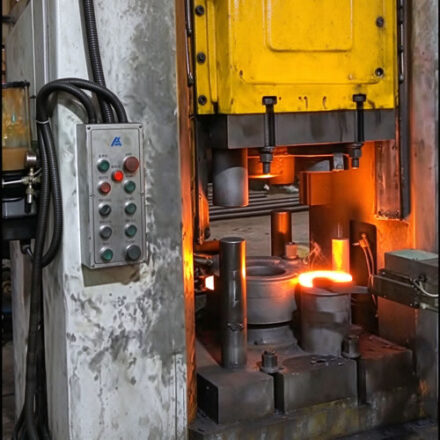
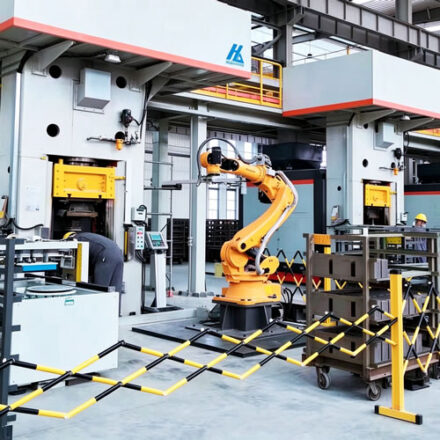
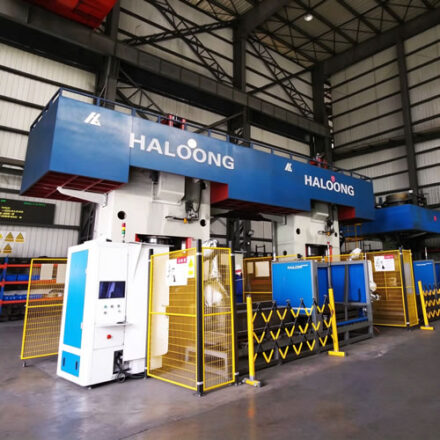
不是所有设备都值得上传感器。压机和干燥窑是瓶颈,破碎筛分的轴承、风机、输送减速机是故障高发点,优先布点。非关键设备继续按计划保养即可,资源跟着瓶颈走。
Not every machine deserves sensors. Presses and dryers are bottlenecks; bearings, fans and conveyor gearboxes in crushing and screening fail most often — prioritise those. Keep non-critical assets on planned maintenance; put resources where the bottleneck is.
二、三个容易采集的信号
2. Three cheap signals to capture
振动反映轴承和不对中,温度反映润滑和过载,电流反映负载和堵料。这三个信号用廉价传感器就能连续采,不用上昂贵系统。关键是同一台设备建立健康基线,偏离基线才报警。
Vibration reveals bearings and misalignment, temperature reveals lubrication and overload, current reveals load and blockage. All three are captured with cheap sensors, no expensive platform needed. The key is a health baseline per machine; alarm only on deviation from it.
三、从报警到行动
3. From alarm to action
预警不是终点,要接工单和备件库存。趋势连续上升就排计划检修,避免突发停线;误报率高就回看基线重新标定。维护从「按日历」变成「按状态」,零件寿命用满、停机可控。
An alarm is not the end; it must drive a work order and pull from spare stock. A rising trend triggers planned repair and avoids sudden stops; high false rates send you back to recalibrate the baseline. Maintenance shifts from calendar to condition — parts used to the end, downtime controlled.
- 传感器先布瓶颈和故障高发点,不要全线上。
Sensorise bottlenecks and failure hotspots first, not the whole line. - 振动、温度、电流三路信号性价比最高。
Vibration, temperature and current give the best return among signals. - 预警必须连工单和备件,否则只是一声没人理的响。
An alarm must link to work orders and spares, or it is just noise.
预测性维护省的不是传感器钱,是突发停线和过度保养两笔账。先在一个车间试点跑通,再横向铺开,比一次铺全网稳得多。
Predictive maintenance saves not on sensors but on two accounts: sudden stops and over-servicing. Pilot in one shop, then roll out — steadier than blanketing the whole plant at once.