自由锻件与模锻件怎么选|Open-Die or Closed-Die Forging: How to Choose

摘要:两种工艺没有绝对优劣:量决定成本,形状决定可行性。按批量、精度、交期、总成本四个维度给出选择路径。
Abstract: Neither process wins absolutely: volume decides cost, geometry decides feasibility. A path through volume, precision, lead time and total cost per piece.
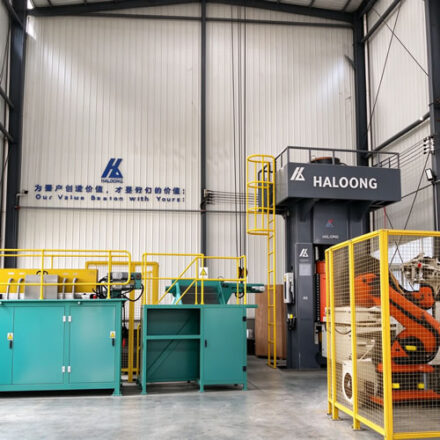
正文: 客户拿着图纸来问锻件,第一个分岔路口就是自由锻还是模锻。选错方向,贵一倍是常事,交期翻倍也不少见。
Main text: Every forging enquiry hits the same fork first: open die or closed die. Take the wrong branch and the price doubles, lead time with it.
一、批量是第一分水岭
1. Volume is the first watershed
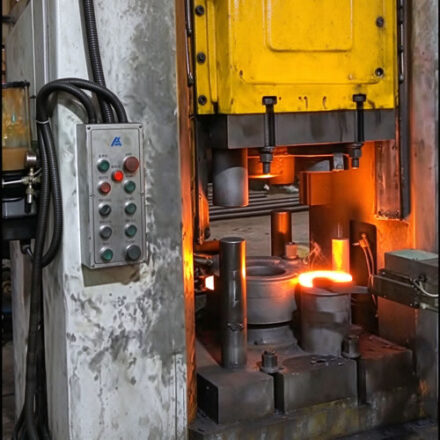
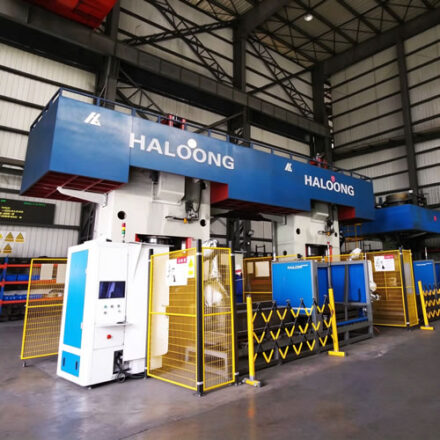
模锻要开模具,模具费摊到件上:批量低于几百件,摊完模费单件成本往往反超自由锻。自由锻免模具、柔性高,一两件能做,但每件都靠人工控制形状,工时随复杂度涨。
Closed die needs tooling amortised over parts: below a few hundred pieces, die cost per part often overtakes open-die pricing. Open die needs no tooling and flexes from a single piece, but labour per part grows with shape complexity.
二、几何与精度定可行性
2. Geometry and precision set feasibility
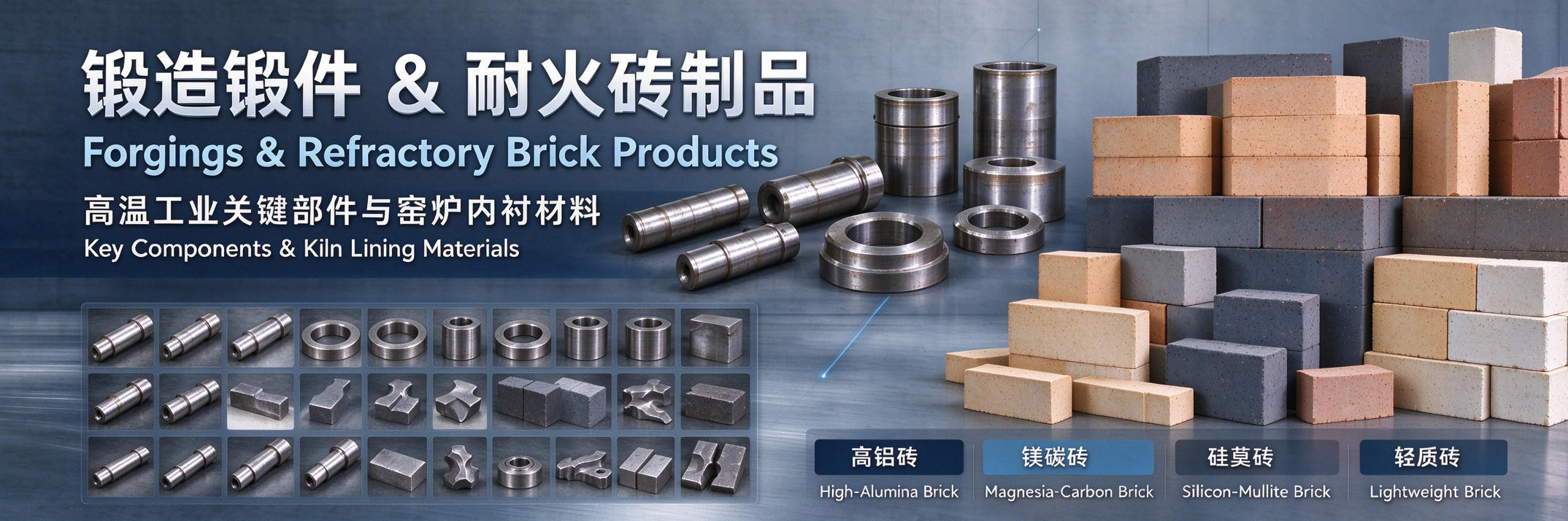
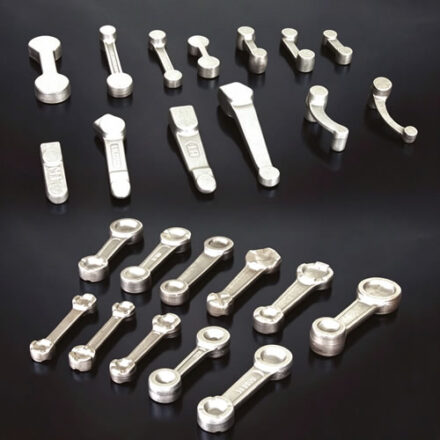
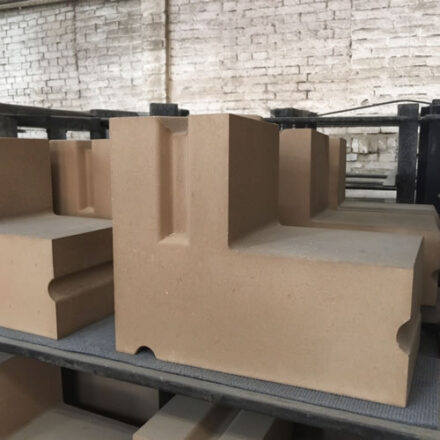
- 带薄腹板、高筋、变截面的件,自由锻做不出形状,只能模锻。
Thin webs, tall ribs and variable sections are closed-die territory. - 轴、饼、环类简单几何,自由锻加机加工反而更省。
Shafts, discs and rings: open die plus machining is often cheaper. - 批量中型、精度中等的件,胎模锻是中间路线。
Mid-volume, mid-precision parts: open-die tooling (loose tooling) is the middle path.
三、按总成本比,不按报价
3. Compare total cost, not quotes
把两边的锻件价、机加工余量、材料利用率、交期资金占用拉到一张表:自由锻余量大、机加工贵;模锻件近净形、省刀但押着模具费和库存。批量越大,天平越倒向模锻,临界点用数字算,不用感觉。
Table both routes: forging price, machining allowance, material yield, lead-time capital. Open die carries big allowances and machining cost; closed die is near-net-shape but carries tooling and inventory. The higher the volume, the harder it tips to closed die — find the crossover with numbers, not feel.