推板窑上下料自动化的改造路径|A Retrofit Path for Pusher Kiln Loading Automation

摘要:老推板窑上自动上下料,最贵的方案不一定是回报最好的方案。按车间现状分三步走:先稳定输送节拍,再上机器人装钵,最后闭环数据。
Abstract: For an operating pusher kiln, the most expensive automation plan is not automatically the best payback. Three steps by shop reality: stabilise the transfer rhythm first, then robot loading, then data closed loop.
正文: 推板窑的上下料自动化,很多工厂卡在「一步到位」的执念上:一上来就要整线无人化,预算报出去就被否掉,改造一拖再拖。实际上这条线可以拆成三步,每一步单独算账都成立。
Main text: Kiln automation projects often stall on the dream of a fully unmanned line in one step: the budget gets rejected, the retrofit drags on. In reality the job splits into three stages, each paying for itself on its own.
一、第一步:把输送节拍稳定下来
1. Stage one: stabilise the transfer rhythm
很多窑炉问题其实是输送问题:钵距忽大忽小、进窑间隔靠人工掐表。先把推板节拍、钵位检测和输送线理顺,投入不大,产量立刻稳一截。这一步不做,后面的机器人等于伺候一个乱的节拍。
Many kiln problems are actually transfer problems: uneven saggar pitch, manual timing of kiln entries. Straighten out the pusher rhythm, saggar detection and conveyor first. The investment is small and output stabilises immediately. Skip this and the robot will only be serving a chaotic rhythm.
二、第二步:机器人装钵的选点
2. Stage two: where robot loading pays
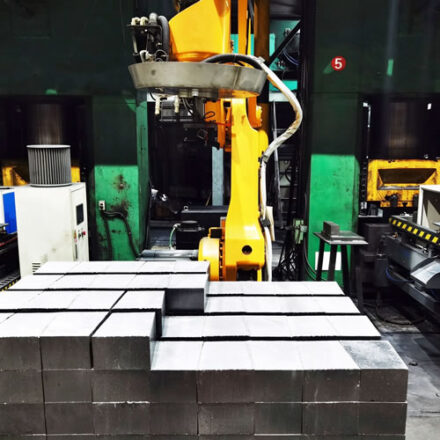
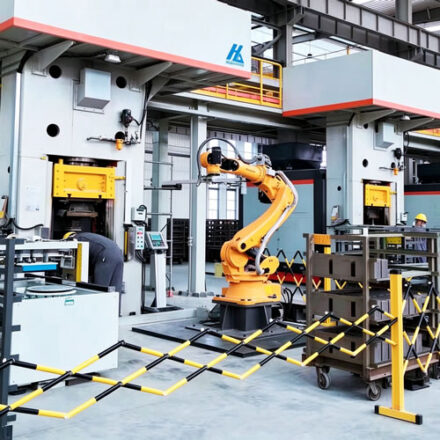
装钵工位是改造回报最高的点:重复动作、姿势固定、劳动强度大、招工难。四轴或六轴机械手配视觉定位,处理匣钵码放和制品预埋,一台设备顶两到三个装钵工。注意留人工工位作旁路,设备检修时产线不断。
The loading station gives the best payback: repetitive motion, fixed posture, hard to staff. A four- or six-axis robot with vision handles saggar stacking and product placement, replacing two to three workers per shift. Keep a manual bypass station so the line runs during maintenance.
三、第三步:数据闭环
3. Stage three: closing the data loop
前两步稳定后,把每钵的进窑时间、窑位、配方批次绑成一条记录,出窑对接质检结果。有了这条记录,异常窑位可以精确追溯到批次,返查成本大幅下降。这一步几乎不加硬件,主要是系统对接。
Once stages one and two are stable, bind each saggar’s entry time, kiln position and batch into one record, linked to inspection results at the exit. With that record, a bad kiln position traces back to its batch in minutes instead of days — almost no new hardware, mostly system integration.
- 先节拍、再机器人、后数据,顺序反了每一步都贵。
Rhythm first, robot second, data third — reversing the order makes every stage more expensive. - 改造期间留人工旁路,窑不能因为调试停。
Keep a manual bypass during retrofit; the kiln must not stop for commissioning. - 回报先算人力差,再算良率差,两笔都过线再立项。
Count the labour saving first, then the yield gain, and approve only when both clear the line.
自动化不是把人换光,是把节拍和数据握在手里。三步走完,这条窑的产能波动会比改造前小得多。
Automation is not about removing every worker; it is about owning the rhythm and the data. After three stages, this kiln’s output swings will be far smaller than before.