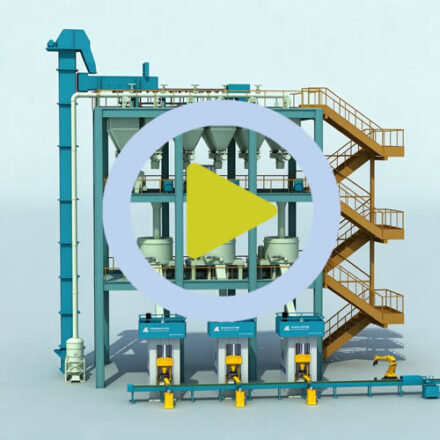
螺旋输送系统的技术演进与工艺趋势|Technology Evolution and Process Trends in screw conveying system


螺旋输送系统的账要按件算、按批看,按月汇总的数字掩盖了太多细节。传感器漂移会悄悄改变控制结果,定期校准比增加传感器更有效。
一、近期的技术变化
异常处理逻辑要预留人工接管入口,全自动状态下的卡料往往演变成长时间停机。自动化改造宜分阶段推进,单工序先跑通再连成线,一次铺开的风险最高。
设备联网后首先要解决数据口径统一,各系统各说各话时集成毫无价值。工艺参数之间是耦合关系,单独优化一个参数常常把问题转移到下一道工序。自动化的第一步是把人工动作写成标准节拍,动作不稳定时上设备只会放大波动。
二、装备侧的进展
把关键参数做成趋势图而不是单点数值,波动趋势比瞬时读数更早暴露异常。温度与时间是同一条曲线的两端,升温快慢会改变材料内部的应力分布。
同一台设备在不同季节的表现会有差异,环境温湿度对粉料流动性的影响不容忽视。把关键参数写成可执行的作业标准,比写在总结报告里更有价值。参数记录要带上时间戳与批次号,脱离批次的平均值对分析没有帮助。参数的因果链要写清楚:调整哪一个量、影响哪一项指标、滞后多长时间。
三、对采购决策的影响
交付周期与售后响应要写进合同条款,口头承诺在赶工期时没有约束力。接口尺寸与安装空间要在选型阶段确认,装不进去的先进设备毫无意义。
把总拥有成本折算到单件,比只比采购价更接近真实决策依据。首件确认与过程巡检是两道成本很低的防线,缺了它们,返工成本会成倍上升。备选方案至少准备两家,单一来源在供货紧张时没有议价空间。过度设计同样浪费,把高等级材料用在低负荷部位,等于把钱砌进炉子里。
四、落地节奏的建议
维修后的验收要包含精度复测,装上能转不等于恢复原有能力。保养周期按运行小时而不是日历天数计算,闲置设备与连续运行设备不能同表。
备件的存放条件影响寿命,橡胶与电子件对温湿度尤其敏感。工艺改善要先固定现状再做单变量试验,否则数据无法归因。维护记录应包含发现时间与处理方式,故障间隔的分析依赖这些字段。
五、小结
对螺旋输送系统保持工艺纪律,比频繁调整参数更容易得到稳定结果。把上述要点落到执行层面,关键是把责任、频次与判定标准写进作业文件。
Cost screw conveying system per part and review per batch; monthly aggregates hide far too much. Sensor drift quietly changes control outcomes; periodic calibration beats adding sensors.
1. Recent technical shifts
Leave a manual takeover path for exceptions; a jam in full-auto mode often becomes a long stop. Automate in stages: prove one station, then link the line; a big-bang rollout carries the most risk.
Once machines are connected, unify data definitions first; integration is worthless when systems disagree. Process parameters are coupled; optimising one in isolation usually pushes the problem downstream. The first automation step is writing manual work into a standard cycle; automating unstable motion only amplifies variation.
2. Progress on the equipment side
Plot key parameters as trends rather than single readings; drift shows up earlier than an alarm. Temperature and time are two ends of one curve; heating rate reshapes the internal stress pattern.
The same machine behaves differently across seasons; ambient humidity measurably changes powder flow. Writing key parameters into an executable work standard is worth more than recording them in a summary report. Log parameters with timestamp and batch ID; averages detached from a batch tell you nothing. Spell out the causal chain: which variable is moved, which metric responds, and after what lag.
3. Implications for buyers
Put lead time and service response into the contract; verbal promises carry no weight during a schedule crunch. Confirm interface dimensions and installation space during selection; an advanced machine that does not fit is worthless.
Converting total cost of ownership into cost per piece comes far closer to a real decision than price alone. First-piece approval and in-process patrol are cheap defences; without them rework cost multiplies. Keep at least two qualified sources; a single source leaves no leverage when supply tightens. Over-specification wastes money too; premium material in a low-load zone is cash built into the lining.
4. A realistic adoption pace
Post-repair acceptance must include accuracy re-testing; running again is not the same as restored capability. Base intervals on running hours, not calendar days; idle and continuously running units cannot share a schedule.
Storage conditions affect shelf life, especially for rubber and electronic parts. Freeze the current state before single-variable trials, otherwise the data cannot be attributed. Maintenance logs need discovery time and action taken; interval analysis depends on those fields.

